
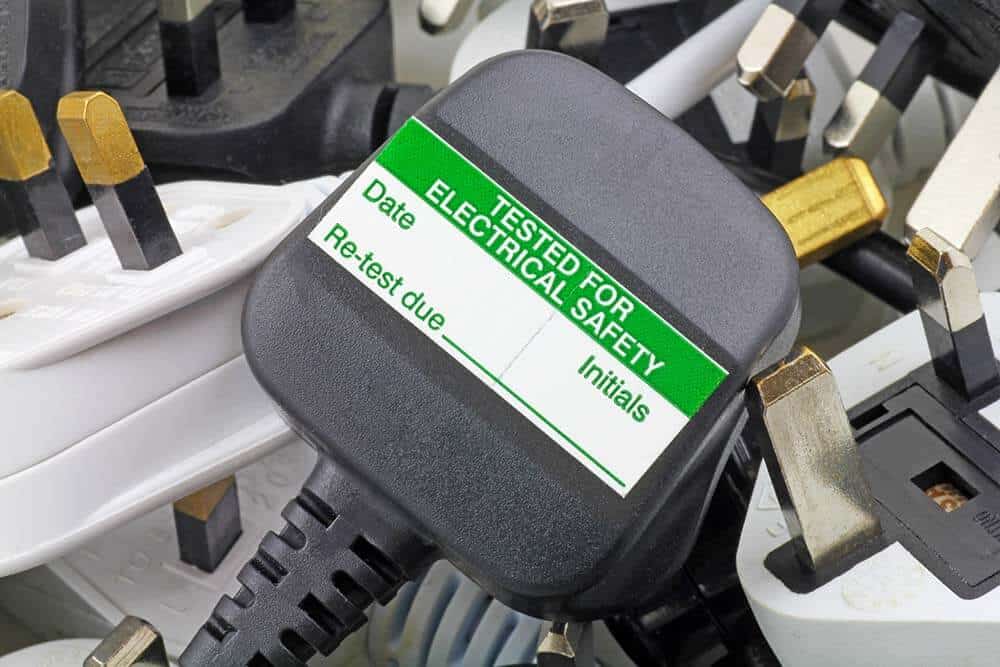
PAT Emergency Support: Top 10 Tips in Telford
Support for emergencies with Portable Appliance Testing addresses situations that require electrical safety failures are immediate and can't be put off until the next maintenance cycle scheduled. The emergency services do not depend on a pre-planned and risk-based PAT test, but rather respond to immediate incidents, such as electrical shocks or appliance fires. They also handle insurance and health audits that require immediate attention. According to the Electricity at Work Regulations, 1989, and the Health and Safety at Work Act 1974, all duty holders must take prompt measures to mitigate a serious and immediate danger. Therefore, reliable emergency assistance for testing PAT is a crucial part of the organization's risk management. The quality of this emergency response–measured by availability, technician competence, and action effectiveness–directly impacts workplace safety, regulatory compliance, and potential liability. If you are evaluating a service's emergency response capability, be sure to review their emergency response procedures and their technical resources. It is also important to look at the track record of the company for handling high-pressure scenarios involving electrical safety.
1. 24/7/365 availability and Dedicated Emergency Contact Protocols in Telford
A true emergency response will require a dedicated channel of contact that is distinct from the normal business line. This typically involves a monitored 24-hour emergency hotline, which is connected to a designated coordinator who can mobilize resources anytime of the night or day, including holidays and weekends. The procedure for handling calls must be clearly defined by service providers, including the maximum callback time (e.g. 30 minutes) and the escalation process. The absence of a dedicated emergency number or proof of calls going to voicemail during non-business hours represents a significant safety gap for clients facing urgent electrical hazards.
2. Clearly Defined Emergency Response Time Guarantees in Telford
Providers should offer contractual response time tiers that are based on risk intensity. Priority 1 (Imminent risk) is attendance on site within 2-4 hour for incidents that involve electrical shock, fire or smoke emissions. Priority 2: (Urgent fault) Attendance within 24 hours of critical faults found during audits and operational faults in devices that are safety-critical. These guarantee must be clearly defined in Service Level Agreements (SLAs) and include consequences for not meeting targets, like service credits or penal clauses.
3. Technical Competencies for Emergency Responders
Emergency technicians must have higher qualifications and experience over routine testers. They must have advanced certifications (City and Guilds 2357) and further training in fault analysis, forensic investigation, and safe isolation techniques (GS38). Electrical engineering is a benefit, as they can diagnose complex faults that go beyond standard testing protocols. They must also be able show that their emergency teams regularly participate in scenario based training exercises.
4. Emergency Services Scope: Investigation, Isolation and Certification in Telford
Comprehensive emergency support encompasses three stages: Immediate Investigation to identify the cause behind failure and the safe isolation of damaged equipment and guidance on the quarantining of the affected area; and Formal Certification providing documented evidence of actions taken for compliance and insurance purposes. The assistance should consist of the preparation of an emergency documentation outlining the incident and findings as well as recommended steps to correct the issue. The report can become crucial evidence for HSE investigations or insurance claims.
5. Equipment and Resources Availability in Emergency Scenarios in Telford
Emergency response vehicles need to serve as mobile workshops that are stocked with calibrated testing equipment, comprehensive spare parts (plugs, cables, fuses) and replacement equipment for essential equipment, hazardous situation isolation tools (lock-out tags-out kits) and personal protection equipment (PPE). This will ensure that technicians can solve the majority of emergencies within the first visit, rather than simply identifying issues that require subsequent visits, leaving hazardous situations unresolved.
6. Integration with Incident Reporting and RIDDOR considerations in Telford
Emergency service providers should be knowledgeable of the reporting obligations that are legal of RIDDOR (Reporting of Injuries, Diseases and Dangerous Occurrences). They should assist clients in determining if an electrical incident is a dangerous incident (e.g., electrical short circuits that can cause fire or explosion) and also provide evidence of technical nature to support the reporting process. This is an important element of the emergency response aiding dutyholders in meeting their legal obligations in the wake of significant events involving safety in the electrical sector.
7. Post-Emergency System Review: Preventative and Preventive Recommendations in Telford
After the emergency is over, they should conduct an official evaluation to discover the root causes and weaknesses of the system. This could include analyzing if the risk assessments and testing frequency are appropriate, recommending modifications to maintenance plans, and identifying trends across different kinds of equipment or sites. This proactive approach transforms an initial response to an incident into a strategy to improve.
8. Protocols for Emergency Communication and the Following in Telford
It is vital to follow a clearly defined communication protocol in times of extreme pressure. The service providers must ensure that: the initial contact is acknowledged within 15 minutes and a technician dispatch notice and ETA is delivered to the Telford when the confirmation of arriving on site is given, and preliminary findings are made public within an hour following the conclusion of the investigation. After resolution, a thorough emergency report should be prepared within 24 hours. There should be a a follow-up debrief meeting scheduled to discuss the findings and preventative actions.
9. Transparency in pricing for Emergency Callout Services in Telford
Prior to a crisis, the pricing for emergency services should be clearly defined. The contract should specify the emergency call-out charge (typically PS150 to PS300) and the hourly rate for emergency work (often 1.5-2x normal rates) prices for parts, and any additional charges associated with out of hours responses. A transparent pricing structure will avoid any financial surprises, and give duty holders to make an informed decision when authorising urgent services.
10. Preservation of evidence and documentation in legal proceedings in Telford
Many times, situations with legal implications are encountered during emergencies. Technicians should be trained in the preservation of evidence, which includes photographs of the failure conditions, safe storage of components that fail, and detailed contemporaneous note-taking. The emergency report produced must be accurate and reliable and document all actions taken as well as the state of equipment prior to intervention. This documentation may be required in case of claims involving insurance, HSE investigation or legal actions. View the most popular Telford portable appliance testing for more recommendations.
The Top 10 Tips For The Maintenance Of Fire Extinguisher Maintenance Certification in Telford
The UK industry of fire extinguishers is governed by a solid framework, designed to ensure the safety, compliance and proficiency. As with other occupations that need licensing by the state, it is the responsibility of the "Responsible Individual" (under the Regulatory Reform (Fire Safety) Order) to choose a competent provider. Understanding the difference between certifications and qualifications are therefore not only technical, but also a crucial part of due diligence. There are many various providers on the market that include highly reputable companies and individuals It is essential to differentiate between certifications. If you choose a technician who does not have the required credentials can invalidate your insurance, infringe on the law and put the occupants of your home and you in danger. This guide lists the 10 most important certifications and qualifications that you must consider when choosing the right partner for your fire security.
1. The Gold Standard – Third-Party Certification Accredited by UKAS (BAFE SP101).
The BAFE SP101 certification is the most significant. BAFE is an autonomous registration body. SP101 is an independent registration body that specializes in the repair of portable extinguishers. The UKAS certification is a crucial factor. This means the scheme has been rigorously assessed in accordance with international standards. A BAFE SP101 certificate that is accredited by UKAS is the best possible evidence of competency. It demonstrates that a company's personnel as well as their working methods and equipment are routinely checked to ensure that they are in compliance to British Standards.
2. The Alternative Benchmark FIRAS Certification
FIRAS (Fire Industry Association Recognition and Accreditation Scheme) which is operated by Fire Industry Association, is another UKAS-accredited certificate scheme. In terms of rigor, and status it is the direct equivalent to BAFE SP101. FIRAS certification gives the same degree of confidence that a business has been independently evaluated and audited for compliance with all relevant standards, including BS 5306-3. FIRAS or BAFE certification is a proof of compliance and competence for any responsible person. It is crucial to remember that the UKAS certification for the scheme itself is crucial.
3. The Foundation: Compliance with BS The Foundation: Compliance with BS in Telford
The British Standard BS 5306-3 is the basis for any certification or qualification. This code is the standard for maintenance of fire extinguishers. This code must be observed by all technicians. It dictates the procedure for checking monthly for basic maintenance and checks every year and extended 5-year servicing for units using water, foam or powder, and 10 year overhauls for CO2 extinguishers. The compliance can be inspected and confirmed through certifications such as FIRAS and BAFE. Ask the company how it makes sure that their work is compliant with these standards while they are evaluating them.
4. Individual Technician Competence: FIA Units of Competence
While the company's certification is important but the job is performed by individuals. The most recognised personal qualifications are called the FIA Units of Competence. They are nationally recognized learning modules that are evaluated against National Occupational Standards. These are the main modules:
FIA Unit 001 : Maintenance of Portable Extinguishers
FIA Unit 010: Reconditioning of portable fire extinguishers. (Advanced Module for Extended Services)
A competent mechanic should possess at a minimum, FIA Unit 011. Technicians offering extended services, like discharges of 5 years, should be certified with Unit 010. Provide prospective providers with details about the qualifications of their personnel.
5. The Role of Trade Associations in Telford
The membership of an association for trade such as the FIA or BAFE is not the same thing as being certified. Membership in these trade organizations is not the same as certification. Membership indicates a willingness to be part of the professional community and access best practices guidelines, however it's not a proof of competency on its own. Look for certifications specifically designed for the particular scheme (e.g. BAFE SP101), rather than general logos for membership.
6. Public Liability and professional Indemnity: Insurance in Telford
It is a fact that a reputable service company must be insured to a sufficient level. They must hold substantial Public Liability Insurance (e.g. PS5mplus) to protect against any accident damage to your property during their work. Professional Indemnity Insurance also plays an important role in securing the costs of correcting any mistakes committed by their employees or advisors. This insurance is a requirement of certification. It is recommended to always request for proof of insurance prior to utilizing the services of any certified firm.
7. Manufacturer-Specific Training
While the fundamentals of BS5306-3 are universal however, every extinguisher manufacturer has their own models as well as valve mechanisms and charging procedures. A highly qualified technician will often undergo manufacturer-specific training. This is particularly true for less-common or more complex extinguisher types, like the wet or clean chemicals systems. This training ensures that your technician can safely and accurately maintain any equipment within your establishment without violating the warranty of the manufacturer.
8. How do you maintain certification through auditing in Telford
Understanding that certification does not take place in one go is essential. Certified auditors conduct annual surveillance audits of BAFE and FIRAS-certified firms. The audits are conducted without notice and involve the review of documentation, interviewing technicians and observing the work process on site. The continuous external scrutiny the certifications are subjected to makes them so valuable. It guarantees ongoing competence not merely an assessment at a specific date.
9. The "Competent Person " vs. the 'Skilled Person'
It is important to distinguish. The Fire Safety Order requires a "competent person" to keep equipment in good working order. According to the law, a competent individual is defined as an "person who has the right education, experience, and other skills" to ensure that the necessary procedures are followed. A competent person (or skilled tradesperson) is one who has the physical capability to complete a specific job. A trained technician working with fire extinguishers should possess both the technical skill and the expertise to understand the standards, regulations and risks.
10. Due Diligence – Verifying Certifications as well as Claims. Documents
The person who is in charge of the responsibility is accountable for ensuring the qualifications. The mere sight of the logo on a van, or on a website is not enough.
Verify online. Both BAFE (the British Association for Food and Environmental Engineering) and the FIA (the Federation of Italian Assurances) have online directories that you can use to look up a company's name to confirm their certification status. in Telford
You may request certificates: A legitimate business will gladly supply copies of their BAFE or FIRAS certification along with insurance certificates as well as proof that their technicians have FIA qualifications. in Telford
Verify the expiry dates. Check that all your certification and insurance policies are current. in Telford
This is the best defense against a shoddy service provider. It's also the core of your due diligence. Check out the most popular Telford fire extinguisher inspection for website advice.
